A misplaced foundation can cost tens of thousands to fix—and in some cases, force you to tear down and start over. That’s why property owners and contractors across Harlingen, McAllen, Brownsville, and the rest of the Rio Grande Valley search for “construction staking near me” before breaking ground. Getting the markers right the first time isn’t optional. It’s the difference between a project that moves forward and one that stalls.
Southpoint Geodetics, LLC is a locally owned land surveying firm based in Harlingen, Texas. We serve Cameron, Hidalgo, Willacy, and Starr Counties, plus the greater South Texas region. Our licensed Texas surveyors use modern GPS and proven surveying tools to help contractors, builders, and property owners turn engineered plans into precise points on the ground. The result: accurate staking backed by the quality and personal service only a local company can deliver.
What Construction Staking Is and Why It’s Essential
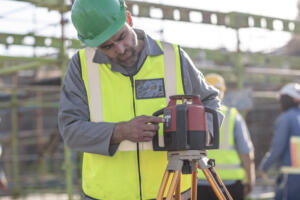
Construction staking turns engineered plans into exact locations on the ground. Surveyors use GPS and total stations to mark where buildings, roads, utilities, and other improvements should go based on the design.
Think of it as the bridge between a drawing and the dirt. Crews know where to dig, pour, and build because the points are already set. When people search for construction staking near me, this is the service that keeps a project on track from day one. You can explore the full range of services we offer to see how staking fits into the bigger picture.
How Construction Staking Keeps Your Project On Track
Construction staking isn’t a single site visit. It’s an ongoing process that supports every phase of construction, from site prep to final improvements. Each trade needs different information at different points in the build, and the timing of each staking phase shapes how smoothly the job moves forward.
Here’s what each crew needs:
-
Grading crews need rough grade control and clearing limits before earthwork starts, so operators know where to cut, fill, and protect existing features
-
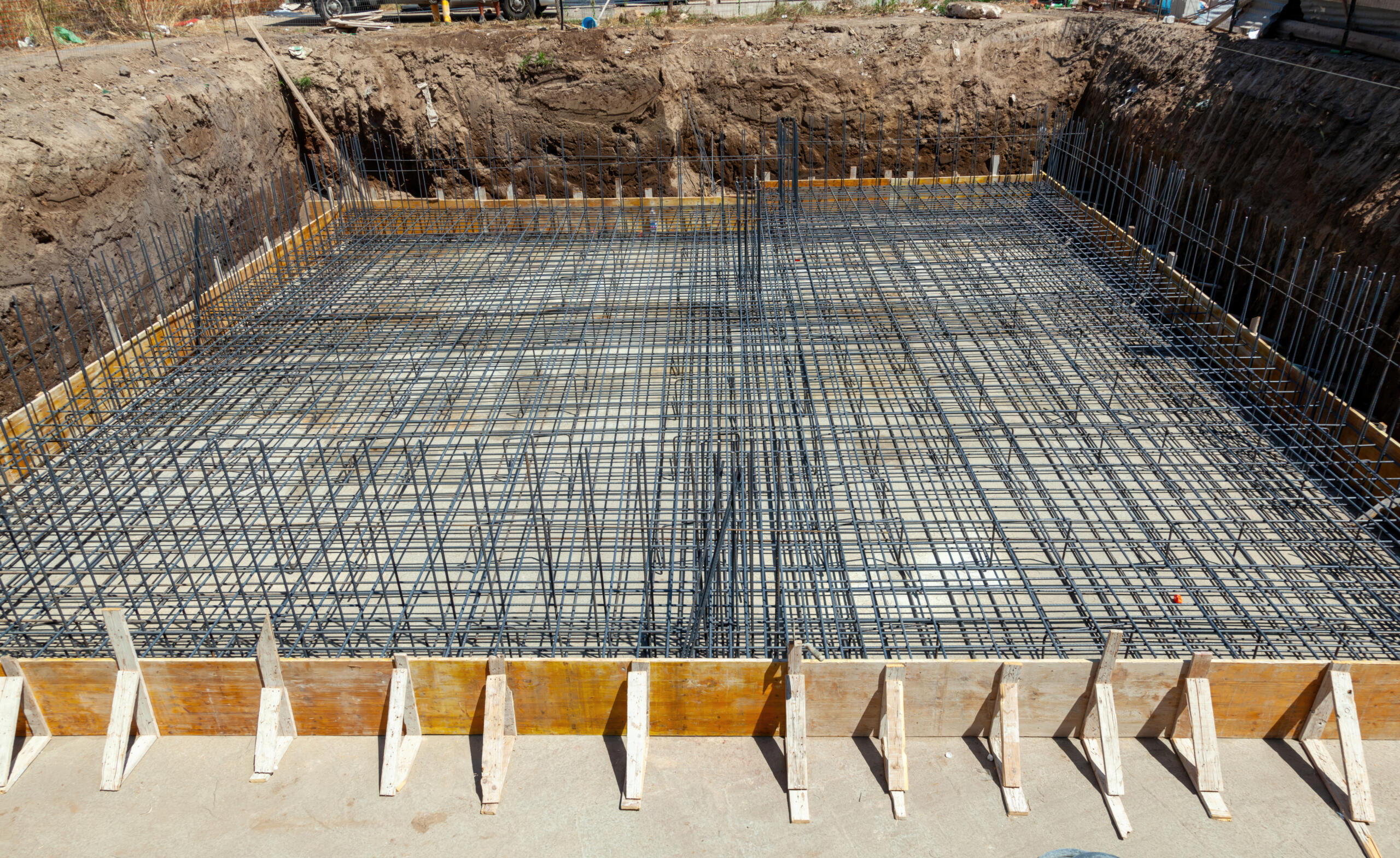
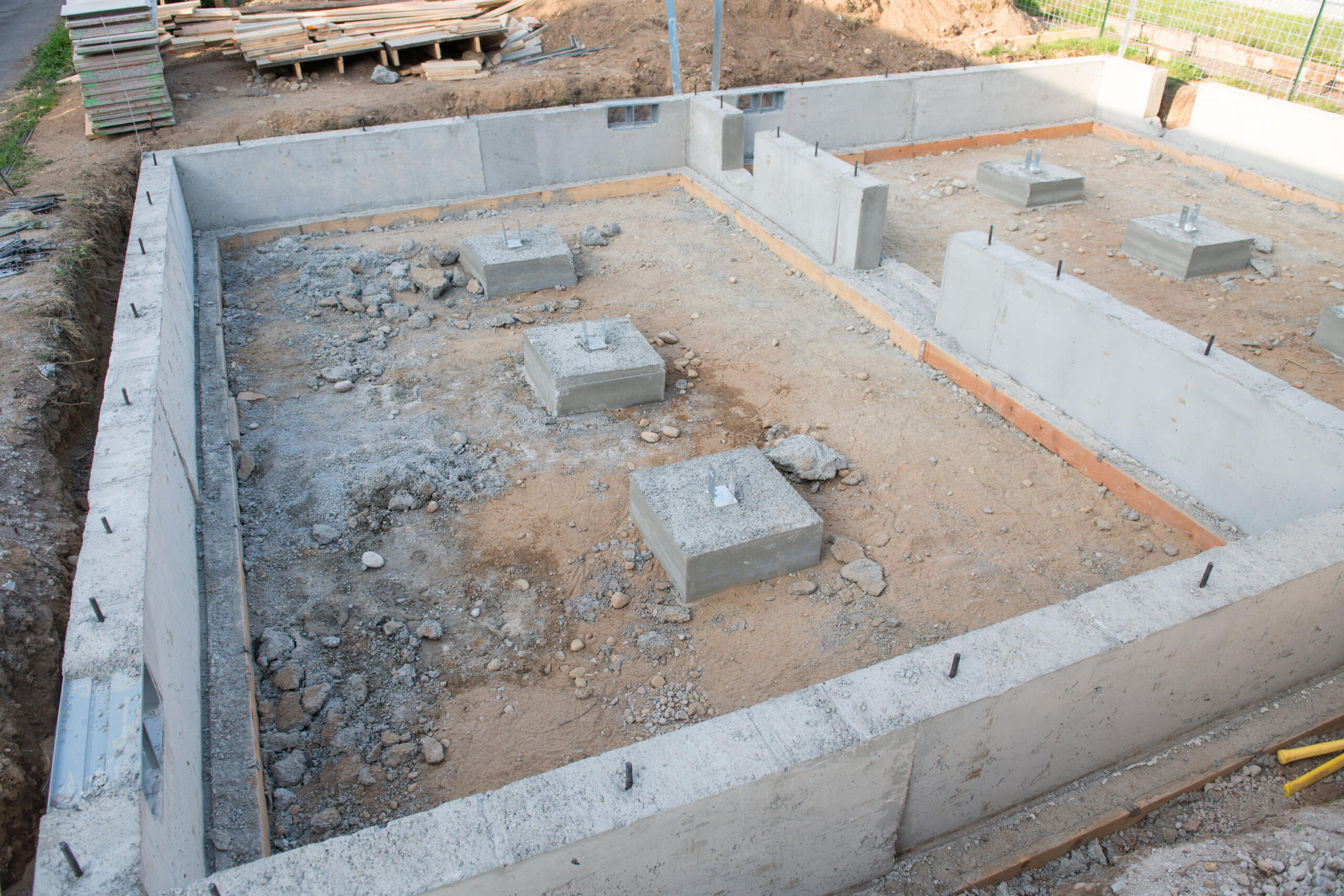
Concrete contractors need precise building corner offsets, finish floor elevations, and form lines before a single board is set
-
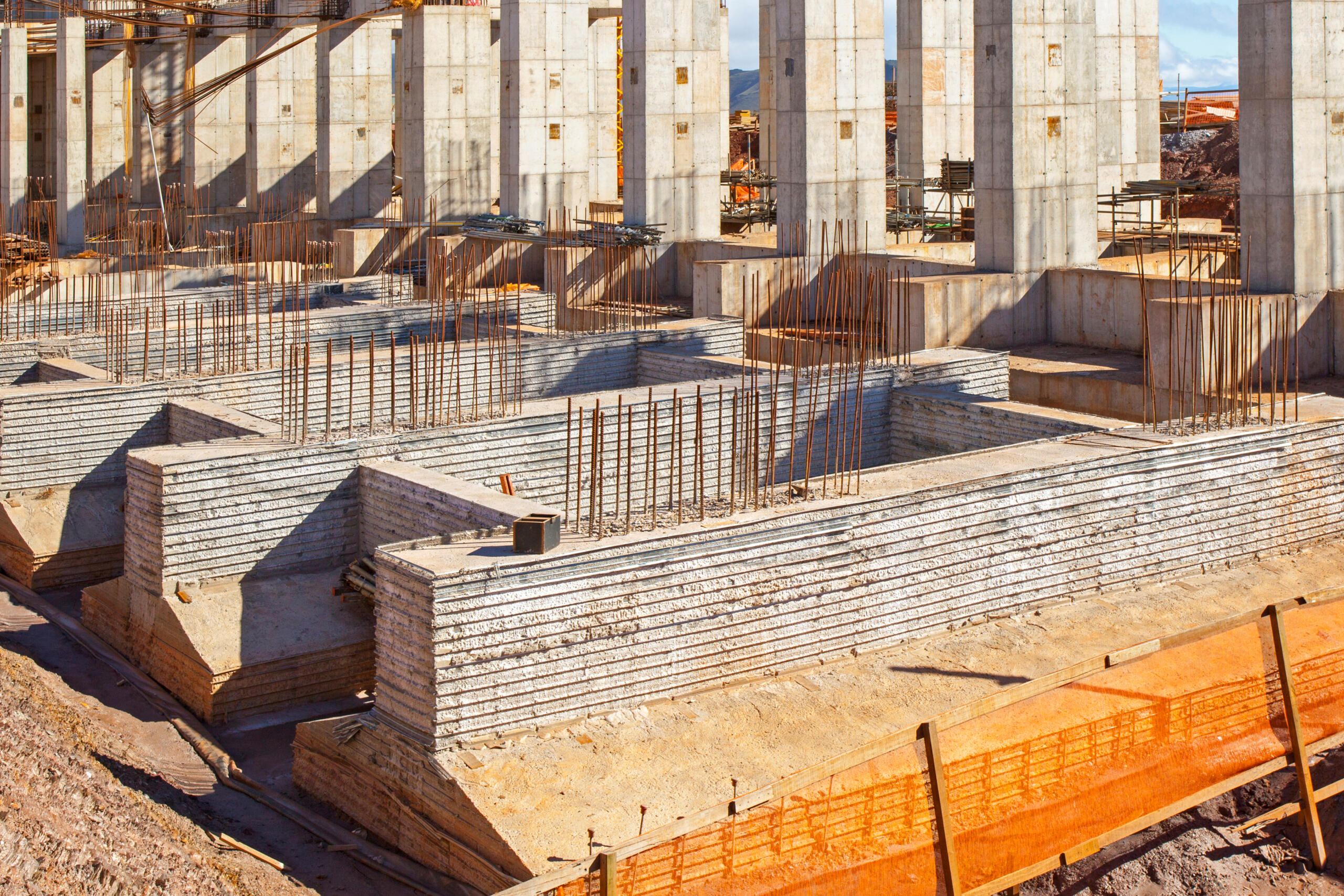
Utility crews need horizontal alignment, invert elevations, and depth markers before trenching, especially when crossing other lines or tying into existing infrastructure
-
Paving and curb crews need centerline, edge of pavement, and grade stakes to maintain proper drainage and meet design specs
Each stage builds on the last, so coordination matters as much as accuracy. When staking lines up with the construction schedule, crews stay productive, equipment keeps moving, and expensive downtime drops. We work directly with superintendents, project managers, and subcontractors to deliver the right marks at the right time—and to re-stake quickly when traffic, weather, or earthwork knocks out existing reference points.
Avoiding Costly Delays and Boundary Mistakes
In construction, errors caught before concrete is poured or pipe is buried cost a fraction of what they cost later. A foundation set even a few inches off can trigger a chain reaction: misaligned framing, setback violations, utility conflicts, and failed inspections. An off-grade sewer line may not drain properly and could require full excavation and replacement. A building that crosses a property line or easement can lead to legal disputes, forced removal, or costly boundary agreements with neighbors.
Precise staking prevents these problems. It establishes verified control before work begins and confirms the layout at each key milestone. Licensed surveyors cross-check design plans against recorded plats, easements, and zoning setbacks to catch conflicts before they hit the field. That extra layer of verification protects contractors from rework, shields owners from liability, and keeps lenders, inspectors, and design teams on the same page.
In short, accurate staking gives contractors the confidence to build efficiently. It also gives owners peace of mind that their project is being built exactly as designed—on the right spot, at the right elevation, and within every legal boundary.
How to Choose a Local Construction Staking Company in South Texas
Local matters more than people expect. A surveyor who knows South Texas land—from Brownsville lots to large development sites—understands the grading, drainage, and soil conditions that affect layout work.
When comparing companies, look for these basics:
-
A licensed surveyor on the project
-
Experience with your project type, whether residential, commercial, or infrastructure
-
Responsive scheduling that matches your timeline
-
Clear deliverables that engineers and contractors can actually use
Responsiveness is its own form of accuracy. A crew that shows up when promised keeps your whole schedule intact, which is why local availability is worth weighing carefully.
What Construction Staking Costs and How Long It Takes
Cost and timing depend on scope. A single-family home with simple setbacks takes far less time than a phased commercial site with complex grading and shared utilities. The more visits a project needs across its phases, the more the total reflects that ongoing work.
Most staking jobs include horizontal and vertical control, building layout, foundation and form staking, utility staking, and final grading stakes. Tight setbacks or multiple trades usually mean more trips to the site.
The best way to get a realistic estimate is to share your plans early. You can also browse our blog for related topics to learn more about how survey timing affects construction schedules.
What to Prepare Before Your Surveyor Arrives
A little prep work makes the staking visit faster, smoother, and far more accurate. The more organized your site and documentation are before the crew arrives, the less time is spent troubleshooting in the field — and the lower your overall surveying costs. Before the staking team mobilizes, try to have the following ready:
-
Current engineered plans and the approved site design — Make sure you’re providing the latest revision, ideally in both PDF and CAD (DWG) formats. Outdated drawings are one of the most common causes of rework and repeat site visits.
-
Permit documents and municipal requirements — Include grading permits, building permits, utility approvals, and any conditions from the local authority that may affect layout, setbacks, or elevations.
-
Property corner information or a recent boundary survey — A current legal survey, plan of survey, or reference to existing monuments helps the crew tie layout into the correct property lines and avoid encroachment issues.
-
A clear point of contact — This is usually the site superintendent or project manager. They should be reachable during the visit to answer questions about staging, priorities, or last-minute design changes.
-
Reasonable site access and cleared work areas — Remove debris, stockpiles, or vegetation from areas that need to be staked. Confirm that heavy equipment isn’t actively working in the same zones during the survey.
-
Utility locates and known underground conflicts — Having locate tickets completed in advance prevents conflicts between stakes and buried services, and protects the crew from safety hazards.
-
A marked benchmark or control point — If previous control has been set, identify and protect it. Reusing existing control keeps elevations and coordinates consistent across phases.
-
A prioritized scope for the visit — Let the crew know which areas, structures, or grades are most urgent so they can sequence the work to match your construction schedule.
When the site is accessible, the plans are finalized, and the supporting documentation is in order, the crew can efficiently set control and layout points without backtracking or guessing. Coordinating these details early not only keeps the project moving — it also reduces costly repeat visits, prevents construction errors, and helps maintain alignment between the design team, surveyors, and trades on site.
Conclusion
Construction staking gives every trade the reference points they need to build with confidence. Now you know what it is, why it matters, and how to choose a dependable local team in South Texas. Still have questions about staking intervals, deliverables, or pricing? We’re happy to walk you through the process and tailor a scope that fits your build. When you’re ready to break ground, reach out to our team to discuss your project and timeline.
What is construction staking and why do I need it?
Construction staking turns engineered plans into precise field locations using GPS and total station technology. It marks where buildings, roads, utilities, and improvements belong, so crews build exactly as designed and avoid costly errors later.
When is construction staking required on my project?
Most ground-up projects—from single-family homes to commercial developments and infrastructure—benefit from or require professional staking. Depending on your municipality, project type, and lender requirements, licensed surveyor staking may be a condition of permits, financing draws, or final inspections. Always verify specific requirements with your local jurisdiction and project team.
How many times will I need construction staking visits?
Staking isn’t one-time work. Each trade needs different marks at different phases: grading crews need rough grade control before earthwork, concrete contractors need precise offsets before forms go up, and utility crews need elevations before trenching. Coordinating with your schedule cuts downtime.
What does a typical construction staking service include?
Most jobs include horizontal and vertical control, site layout and setback staking, foundation and form placement marks, utility line staking, roadway and curb staking, final grading stakes, and as-staked verification to confirm key placements before work moves forward.
How much does construction staking cost and how long does it take?
Cost and timing depend on project scope. A single-family home with simple setbacks costs less than a phased commercial site with complex grading and shared utilities. Share your engineered plans early to get a realistic estimate tailored to your project.
What should I prepare before the construction staking crew arrives?
Have your engineered plans, approved site design, permit documents, property corner information or boundary survey, a clear site contact (usually the superintendent), and cleared work areas ready for safe access. This prep speeds up the visit and prevents costly repeat trips.