
When you are buying, selling, or building on property in South Texas, a lot of important decisions rest on one simple question: where are the exact lines of the land? A certified land surveyor is the professional who answers that question with evidence that lenders, title companies, and local officials can rely on.
Southpoint Texas Surveying understands that most property owners are not experts in surveying terminology. In this guide, we explain what a certified land surveyor does, how licensing works in Texas, and when you truly need one so you can move forward with confidence.
Discover What a Certified Land Surveyor Can Do for You
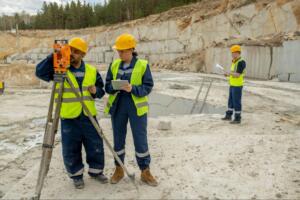
A certified land surveyor is a licensed professional who measures, maps, and interprets land boundaries and features. In Texas, this involves combining field measurements, research into legal records, and knowledge of property law so that the final survey can stand up to legal and financial review.
Surveying is more than taking measurements. A certified land surveyor evaluates conflicting records, interprets old deeds and plats, and makes professional judgments about where boundary lines belong. Those decisions affect what you legally own, what you can build, and how smoothly a closing or construction project moves forward.
Core Responsibilities on Residential and Rural Properties
On typical homesites, small acreage tracts, and large ranches, a certified land surveyor may be responsible for:
- Locating and marking boundary corners so you can see exactly where the property begins and ends
- Measuring distances and directions between corners to verify the size and shape of the tract
- Identifying fences, driveways, buildings, and other improvements close to a boundary
- Documenting encroachments, such as a neighbor’s fence that crosses the line
- Preparing a survey drawing and legal description for deeds, easements, and title policies
In rural South Texas, we often deal with older deeds, historic fences, and large tracts divided within families over time. At Southpoint Texas Surveying, we take extra care to reconcile these records so property owners have clear, defensible boundaries.
How Surveyors Collaborate With Title Companies, Lenders, and Officials
A trusted and certified land surveyor does not work in isolation. We work closely with title companies, which use our surveys to confirm legal descriptions, locate easements, and issue title insurance. Lenders often require a survey before approving a mortgage or construction loan. Cities, counties, and drainage districts rely on accurate plats, right of way locations, and elevation data before issuing permits.
Because the surveyor’s seal carries legal weight, these parties depend on the certified land surveyor’s work to reduce uncertainty and prevent disputes.
Protect Your Investment With the Right Certification
In Texas, not everyone who can operate surveying equipment is allowed to produce a legal survey. Only a licensed professional, commonly referred to as a Registered Professional Land Surveyor, can sign and seal a survey accepted for closings, permits, and court use.
Licensing protects the public. To become a certified land surveyor, professionals must meet education requirements, complete supervised experience, and pass state exams. The license means the surveyor is accountable for following Texas statutes, professional standards, and ethical rules.
How a Licensed Surveyor Safeguards Your Property
Your land is often one of the largest investments you will ever make. A licensed surveyor helps protect that investment by providing a survey that your lender and title company can accept without delay, revealing encroachments or overlaps before a sale closes or a foundation is poured, confirming that easements and building lines are correctly shown, and creating a permanent record useful if a boundary dispute ever arises.
When our team signs and seals a survey, we are standing behind the work. That professional responsibility gives property owners and real estate professionals a clearer path forward.
Risks of Using Unlicensed Surveyors
Using someone who is not properly licensed may seem like a way to save money, but it can create expensive problems. Surveys that lenders or title companies reject can stall or cancel a closing. Boundary errors may not be discovered until after a fence or structure is built. Drawings that lack sufficient research cannot be defended in court. You may face additional cost to hire a licensed surveyor to redo the work.
Working with a certified land surveyor from the start significantly reduces these risks.
Know When to Call a Certified Land Surveyor in Texas
Many people only think about surveys when a lender asks for one right before closing. In reality, there are several key moments when contacting a certified land surveyor early can prevent delays and confusion.
Home Purchase, Sale, or Refinance
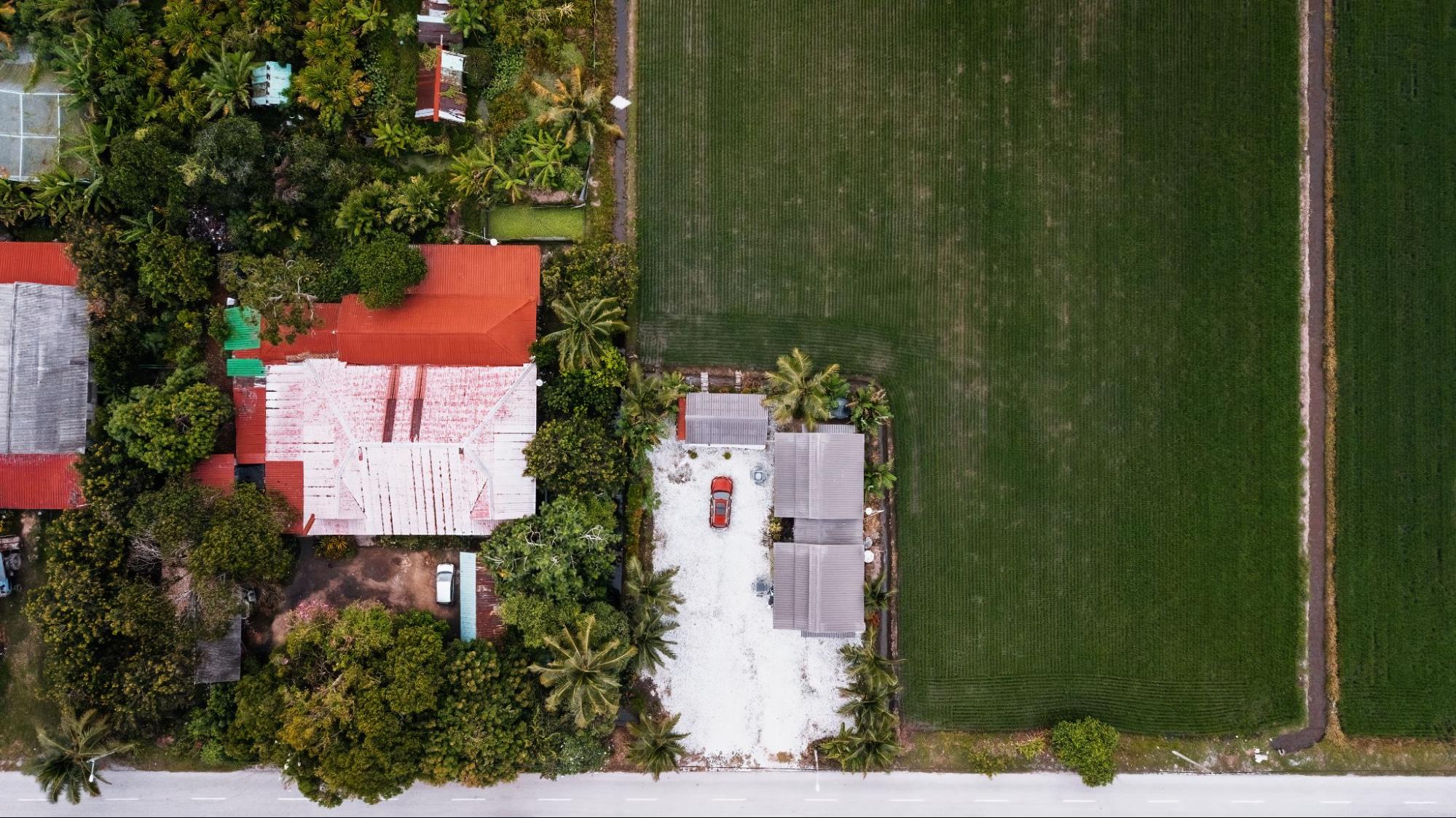
Most real estate transactions involve a review of property boundaries. During a purchase, a certified land surveyor can confirm that the legal description matches what is on the ground, show existing improvements in relation to the lines, and identify encroachments or issues that may affect the title policy. For refinances, lenders often want updated information to confirm no unrecorded changes have occurred.
Building a New Home, Fence, or Addition
Before you invest in new construction, you need to know where you can and cannot build. A survey clarifies setback lines that limit how close you can build to the property boundary, utility easements where you must not place permanent structures, and the exact line for a new fence or driveway. We regularly assist owners, builders, and contractors with boundary, foundation, and as-built surveys so construction stays aligned with permits and plans.
Subdividing, Family Land, and Rural Tracts
Family land divisions and rural subdivisions require careful attention. A certified land surveyor can help you design and lay out new lots from a larger parent tract, prepare plats that counties and cities can review and approve, and confirm access, right of way locations, and easements for utilities.
When these steps are handled correctly, it becomes easier for future buyers, lenders, and family members to understand how the land is divided. You can browse our blog for related topics if you would like to dive deeper into specific survey types.
Easements, Encroachments, and Boundary Disputes
If a neighbor’s fence seems too far onto your property, or if a utility company needs a new easement, a certified land surveyor provides the factual foundation. We locate the line, mark it on the ground, and document findings on a survey drawing. Courts and mediators often rely on this documentation to resolve disagreements.
Master How Land Surveyor Licensing Works in Texas
Licensing ensures only qualified professionals provide boundary and title surveys in Texas.
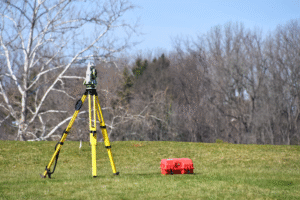
Aspiring surveyors typically earn a degree in surveying or a related field, then gain supervised experience researching county records, conducting field measurements with GPS and total stations, and resolving conflicts between legal descriptions and physical evidence.
After meeting experience requirements, candidates must pass national exams on fundamentals and professional practice, plus a Texas-specific exam on state laws. The state board regulates licensees, setting rules and handling complaints.
Survey Types for South Texas Properties

South Texas properties range from city lots to expansive ranches and coastal tracts, each requiring different survey approaches.
Boundary and Title Surveys
Boundary surveys establish exact property lines by setting or locating corner monuments and documenting boundaries, adjoining owners, and visible improvements. For real estate transactions, lenders and title companies typically require ALTA or mortgage surveys, which add details needed for title insurance evaluation.
Topographic, Construction, and Elevation Surveys
Building projects require topographic surveys showing ground elevations, drainage, structures, and other site features. Construction surveys include pre-build layouts, as-built documentation, and elevation certificates for flood-regulated areas.
Rural and Ranch Surveys
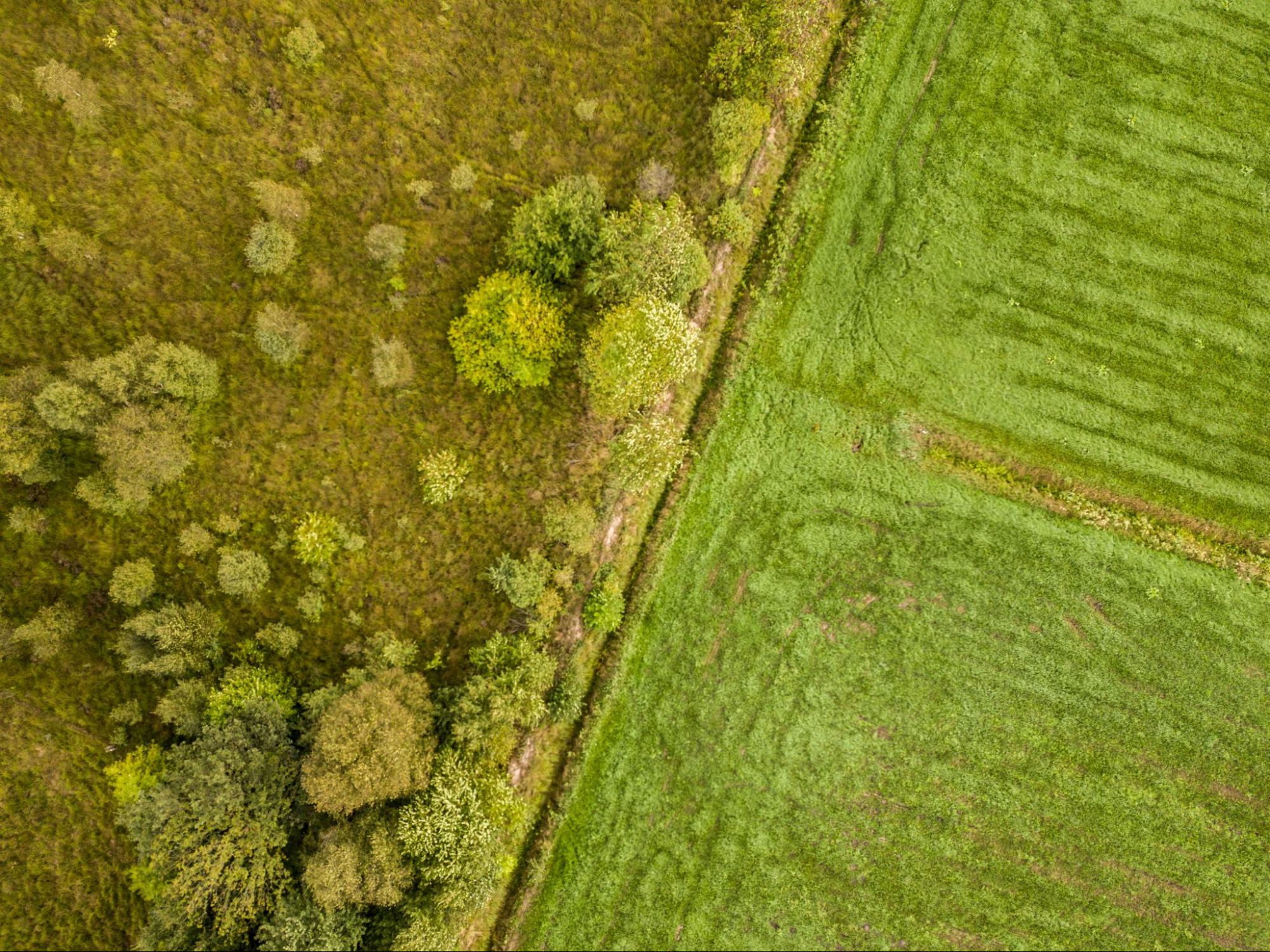
Larger South Texas tracts often need verification of extended boundary lines, location of stock tanks, pipelines, and utilities, plus updates to older metes and bounds descriptions.
Find Your Ideal Certified Surveyor in South Texas
Choosing a surveyor is not only about price. The right certified land surveyor combines technical skill, local knowledge, and clear communication.
Before you hire a surveyor, consider asking if they are currently licensed to practice land surveying in Texas, whether they have worked on properties similar to yours in this county, what type of survey they recommend for your situation, and what you will receive at the end of the project.
Local experience matters, especially in South Texas where older records, unique terrain, and coastal or floodplain issues can affect a project. A surveyor who works regularly in your area is more familiar with county record systems, local subdivision regulations, and typical issues that arise with nearby properties.
Navigate the Survey Process With Confidence
Before work begins, the surveyor will usually request copies of the most recent deed, any prior surveys, title commitments, and site plans for new improvements. On the ground, it helps if gates are unlocked and access points are clear.
The survey process typically includes research in county records, field measurements to locate existing monuments and features, analysis to reconcile findings with written descriptions, and preparation of the final survey drawing. Your deliverables will usually include a sealed survey drawing and, when needed, a written description suitable for deeds or easement documents.
Many residential surveys can be completed within a few weeks. Larger or more complex tracts may take longer due to difficulty accessing the property, complex record information requiring extra research, or weather conditions limiting safe field work.
Conclusion
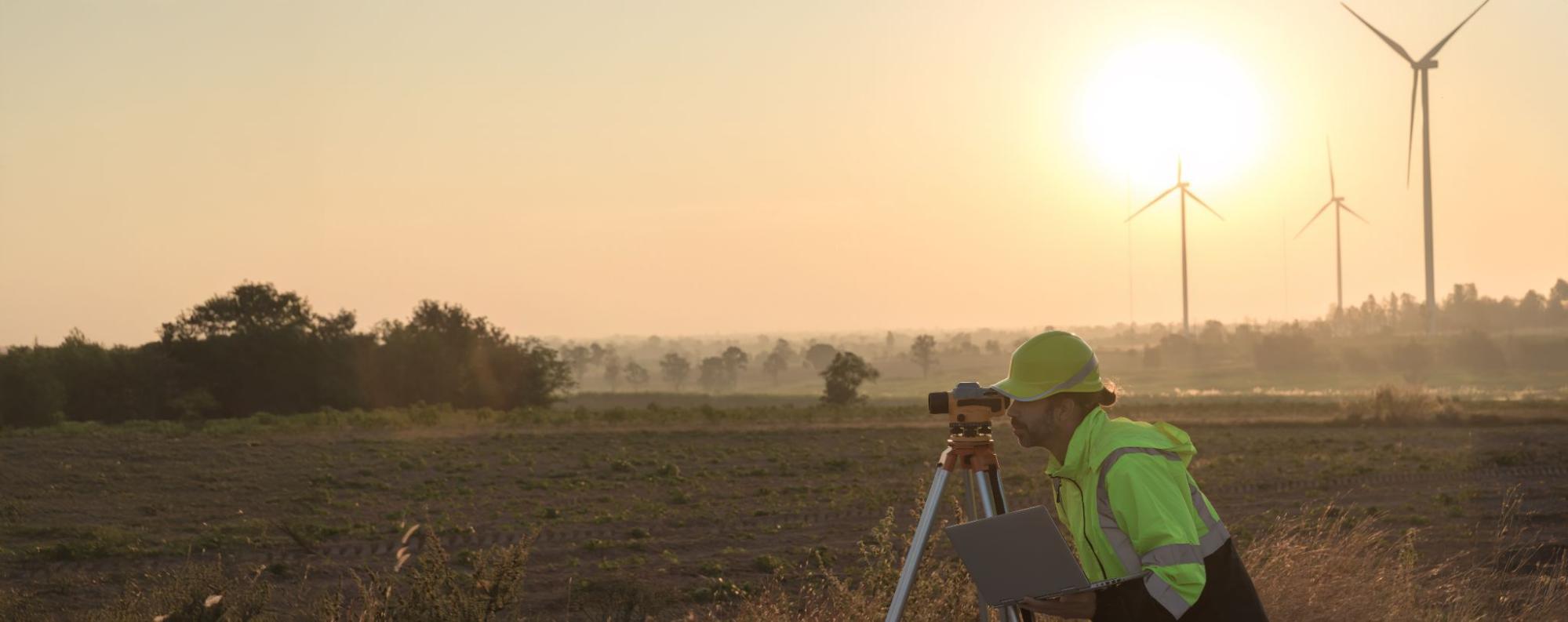
A certified land surveyor plays a central role in protecting property rights and keeping South Texas real estate and construction projects on track. By understanding what a licensed surveyor does, why certification matters, and when to request a survey, you can make better decisions about buying, selling, or improving land.
At Southpoint Texas Surveying, we focus on providing clear, accurate surveys that help reduce uncertainty and prevent disputes. If you are planning a transaction or project, contact us to discuss your property and our team will walk you through the options that fit your situation.
Certified Land Surveyor FAQs
What does a certified land surveyor do for my South Texas property?
A certified land surveyor measures and maps your property boundaries, researches deeds and plats, and documents improvements, easements, and encroachments. Their signed and sealed survey provides legally defensible evidence that lenders, title companies, and local officials can rely on.
When should I hire a certified land surveyor in Texas?
Contact a certified land surveyor when buying, selling, or refinancing property, before building a home, fence, or addition, when subdividing or dividing family land, and whenever you suspect encroachments or boundary disputes.
Why does using a licensed surveyor matter instead of a cheaper unlicensed option?
Only a licensed surveyor can produce surveys accepted for closings, permits, and court use in Texas. Unlicensed work can be rejected by lenders and title companies, contain boundary errors, and often must be redone at additional cost.
How much does a land survey typically cost in Texas?
Land survey costs vary based on property size, terrain, record quality, and timeline. Smaller residential lots are generally less expensive, while large or complex tracts cost more. Always request a written proposal outlining scope, fees, and timeline.
How do I choose the right certified land surveyor in South Texas?
Ask if they are currently licensed in Texas, whether they have surveyed similar properties in your county, and what type of survey they recommend. Look for strong local experience and clear explanations of fees, timelines, and final deliverables.