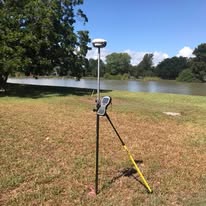
When land is being evaluated for construction, design, or future development, understanding the shape and physical features of the property is essential. A topographic survey provides a detailed view of the land’s surface, showing both natural and man-made features. This information helps property owners, engineers, and architects make informed decisions before plans are finalized or construction begins.
Unlike boundary surveys that focus on property lines, this survey concentrates on elevation and terrain. By documenting how the land rises, falls, and drains, it creates a reliable foundation for planning work that depends on accurate site conditions.
What A Topographic Survey Shows
A topographic survey shows all visible physical features across an area of land. This includes hills, slopes, low points, surface water features, buildings, roads, fences, trees, and other improvements. The survey also illustrates how these features relate to one another spatially.
One of the most important elements included is contour lines. These lines represent changes in elevation and allow users to understand the terrain at a glance. With this information, it becomes easier to visualize how water flows across the site and how the land may need to be graded or adjusted for development.
Key Features Captured In A Topographic Survey
In addition to contours, surveyors collect precise elevation points throughout the property. This data supports both contour survey and elevation survey applications, depending on how the information is used. Drainage paths, runoff patterns, and potential problem areas can be identified early.
Utilities, paved areas, and existing structures are also mapped when visible. This level of detail ensures that designers and engineers are working with a complete picture of current site conditions rather than assumptions or outdated records.
How Elevation Data Supports Planning And Design
Accurate elevation data plays a critical role in site design. Engineers rely on this information to plan drainage systems, stormwater management, and grading strategies. Architects use it to determine building placement, finished floor elevations, and access points.
For residential projects, elevation data supports driveway layouts, drainage solutions, and home placement. For commercial and larger developments, it informs utility planning, roadway design, and compliance with local regulations. A topographic survey helps align design decisions with the actual behavior of the land.
Situations That Require A Topographic Survey
This survey is often requested during the early stages of development, before architectural or engineering plans are completed. It is commonly required for new construction, site improvements, and land development projects.
Property buyers may also request a topographic survey when evaluating land with noticeable elevation changes or drainage concerns. In these cases, having accurate terrain information reduces uncertainty and supports better long-term planning decisions.
The Importance Of Accurate Terrain Information
Incomplete or inaccurate elevation data can lead to design changes, project delays, or unexpected costs once work begins. A professionally prepared topographic survey helps prevent these issues by providing dependable measurements from the outset.
Surveyors use advanced equipment and established methods to capture terrain details with precision. This accuracy supports smoother coordination between landowners, engineers, architects, and contractors throughout the project.
Planning With Confidence From The Start
Understanding the physical characteristics of land is a critical first step in responsible development. A well prepared topographic survey provides clarity on elevation, drainage, and site conditions so projects can move forward with fewer surprises.
If you are preparing for construction, design, or land evaluation, the next step is straightforward. Get a Quote and start your project with accurate information you can rely on.