When developers talk about avoiding risk, most of the conversation happens later in the process. But the truth is, a lot of those risks are decided before a single plan is drawn. That’s where early-stage land surveying comes in.
Here’s a quick breakdown of what it actually does for a project:
- Prevents boundary disputes before they turn into legal or construction issues
- Improves planning with real, site-specific data
- Reduces redesigns, delays, and mid-project surprises
- Helps investors and lenders feel more confident moving forward
- Clarifies feasibility early so decisions aren’t based on guesswork
Below, each expert shares how early-stage land surveying shapes long-term project success from their perspective.
Early Land Surveys Drive Smart Design and Investor Confidence
Early-stage land surveying sets the foundation for everything that follows in a development project. Sovic Chakrabarti points out that without a clear understanding of the land, developers are often making decisions based on assumptions that don’t hold up once construction begins.
“Property lines are not always as obvious as they appear on paper… A professional survey establishes the exact legal boundaries of the property.”
That clarity removes one of the biggest sources of conflict. Boundary disputes can slow a project down or even stop it entirely, especially when neighboring properties are involved. Addressing those details early keeps projects moving and avoids unnecessary legal complications.
At the same time, surveying plays a key role in design. When teams understand elevation, drainage, and site constraints upfront, they can create plans that actually fit the land. That leads to fewer surprises during construction and more efficient use of resources.
Sovic also highlights the impact on investment decisions. A thorough survey gives developers and investors a clear picture of what’s possible on the property. It reduces uncertainty and allows for better planning around scope, cost, and long-term returns. That kind of clarity builds confidence, which is often the deciding factor in whether a project moves forward.

Sovic Chakrabarti, Director
Clean Surveys Unlock Capital and Prevent Costly Delays
Jim Kittridge takes a practical approach. In his experience, early-stage land surveying is one of the most overlooked steps, yet it’s often the reason projects run into avoidable problems later.
“We have seen projects stall for months over encroachment issues that a $5,000 survey would have caught on day one.”
That’s the kind of issue that doesn’t just cost money. It disrupts timelines, affects contractor schedules, and can even jeopardize financing.
From a planning standpoint, Jim emphasizes the importance of working with accurate data. When architects and engineers design based on real site conditions instead of assumptions, the entire build process becomes more predictable. There’s less need for mid-project corrections, and fewer surprises tied to utilities, grading, or structural placement.
He also connects surveying directly to financing. Lenders and institutional investors want certainty before committing capital. A clean survey signals that the project has been properly vetted. Without it, risk increases, and funding becomes harder to secure.
For Jim, early-stage land surveying isn’t optional. It’s part of running a disciplined, well-prepared development process.

Jim Kittridge, Principal
Accurate Early Data Reduces Risk and Rework
Cintia Reis focuses on how early-stage land surveying improves decision-making across the entire project lifecycle. When developers have accurate site data from the start, they can avoid a lot of the rework that typically shows up later.
“Accurate site boundaries and identifying potential constraints before design and construction begin… helps prevent boundary disputes and improves construction planning.”
That includes everything from building placement to infrastructure planning. When teams know exactly what they’re working with, they can design more efficiently and avoid costly changes once construction is underway.
This early clarity also plays a role in feasibility. Developers can assess whether a project makes sense before committing significant resources. That reduces the risk of delays, redesigns, and budget overruns.
Cintia’s perspective highlights something simple but important. The earlier you have reliable data, the fewer surprises you face later.
 Cintia Reis, Planner/Construction Engineer
Accurate Surveys Prevent Disputes and Budget Overruns
Mohammed Kamal emphasizes the financial and operational impact of early-stage land surveying. Clear boundaries and accurate measurements don’t just prevent disputes. They help keep projects on track and within budget.
“Accurate surveys clearly define property boundaries, reducing the risk of costly disputes… and minimizing delays and budget overruns.”
When those boundaries are established early, developers can move forward with confidence. There’s less risk of running into conflicts with neighboring properties or needing to adjust plans mid-project.
From a budgeting perspective, early surveying helps teams anticipate potential challenges. Instead of reacting to problems during construction, they can plan for them ahead of time. That leads to better cost control and fewer unexpected expenses.
Mohammed’s insight reinforces a key point. Early-stage land surveying isn’t just about accuracy. It’s about protecting the project from financial instability.

Mohammed Kamal, Business Development Manager
Upfront Surveys Prevent Redesigns and Costly Mistakes
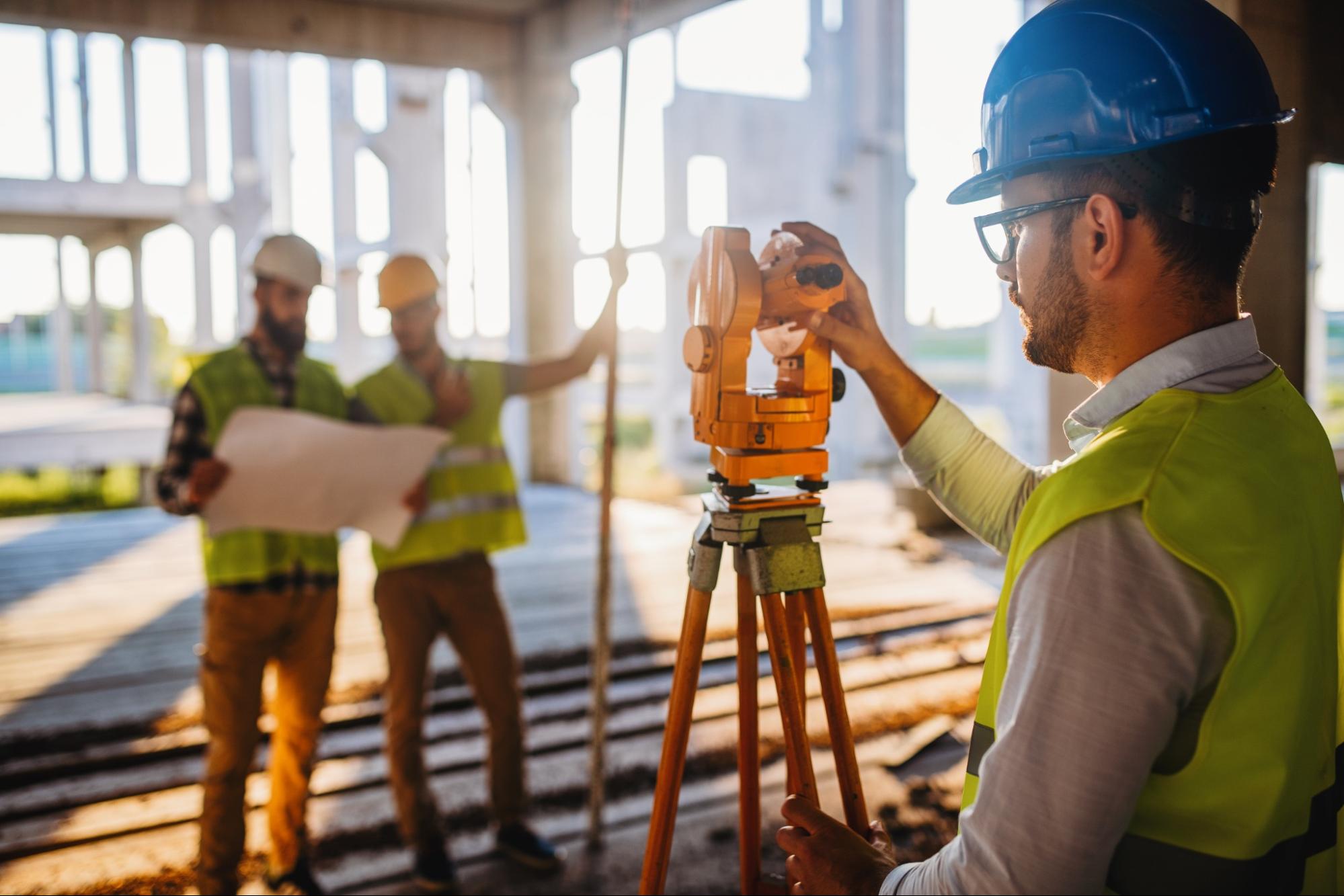
Chase Briga brings a hands-on perspective from the field. He’s seen firsthand what happens when early-stage land surveying is skipped or delayed.
“One job early in my career required us to redesign part of a driveway and retaining wall… because a neighboring lot line was a few feet closer than expected.”
That kind of issue creates a chain reaction. Redesigns lead to delays, which lead to increased costs and frustrated stakeholders.
When surveys are done upfront, those problems are far less likely to happen. Teams can plan grading, drainage, and utility placement with confidence. Everyone involved knows exactly where the boundaries are and what constraints exist.
Chase also points out the legal protection that comes with accurate surveys. Clear documentation helps avoid disputes and keeps projects moving without unnecessary interruptions.
His experience highlights a simple truth. The small upfront cost of a survey often prevents much larger problems down the line.

Chase Briga, Owner
LinkedIn, Anyvision Home Remodeling
Early Surveys Eliminate Surprises and Strengthen Feasibility
Richard Berdah focuses on how early-stage land surveying removes uncertainty before construction begins. That clarity helps developers avoid surprises that can derail a project.
“I’ve seen projects where developers skipped detailed surveys early on… only to discover during excavation that a fence line or neighboring structure was encroaching.”
Those discoveries can halt construction and force expensive changes. But when boundaries, easements, and setbacks are verified early, those risks are significantly reduced.
Richard also highlights the impact on planning. Accurate data allows teams to adjust designs before permits are finalized. That keeps projects moving forward without last-minute changes.
From an investment standpoint, early surveying improves feasibility. Developers can make informed decisions about scope, budgeting, and timelines. That leads to more predictable outcomes and fewer unexpected costs.
His takeaway is straightforward. Early-stage land surveying is one of the simplest ways to protect a project from delays, disputes, and unnecessary expenses.

Richard Berdah, Owner
LinkedIn, Richard B Specialize Contractors
Final Takeaway
Early-stage land surveying might not be the most visible part of a development project, but it quietly shapes everything that comes after. Each expert points to the same outcome in different ways. When you start with clear boundaries and accurate data, projects run smoother, decisions get easier, and risks stay manageable. It’s one of those early steps that doesn’t just support the process. It sets the direction for long-term success.