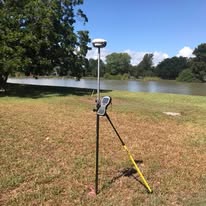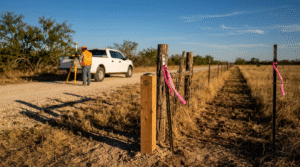

An as-built survey plays a critical role at the close of a construction project. Once work is complete, owners, engineers, lenders, and municipalities need clear confirmation of what was actually constructed in the field. Plans often change during construction due to site conditions, field adjustments, or approved modifications. This survey captures the final condition of improvements as they exist on the ground, not just what was originally designed.
Clear post-construction documentation supports smooth project closeout and reduces uncertainty for everyone involved. It provides confidence that improvements align with approved plans and helps avoid issues during review or future work.
What Is An As-Built Survey?
An as-built survey is performed during construction or immediately after completion to document the final location of improvements. It shows the measured position of buildings, utilities, paving, drainage features, and other constructed elements as they were installed.
This survey is commonly requested for payment approval, inspections, and long-term record keeping. It confirms that construction aligns with design plans, permits, and applicable requirements. In many cases, it becomes part of the permanent property record.
This type of survey may also be referred to as a record drawing survey or a final construction survey. While the terminology can vary, the purpose remains the same, to capture actual site conditions once construction is finished.
The Role Of Post-Construction Documentation
Once a project is complete, accurate records reduce risk and support future decisions. Property owners rely on verified documentation for maintenance, renovations, and future development. Engineers and architects use confirmed measurements when planning additions or evaluating repairs. Municipal agencies often require final verification before issuing approvals or certificates.
Without a reliable survey, future work can face delays or added costs. Underground utilities may be assumed to be in the wrong location. Building dimensions may be unclear. Drainage features may not match expectations. Capturing site conditions while access is available helps prevent these issues.
What A Final Construction Survey Typically Includes
The scope of a final construction survey depends on project requirements, but it commonly documents:
- Finished building footprints and dimensions
- Locations of utilities visible at the surface
- Paving, sidewalks, curbs, and parking areas
- Drainage structures and grading features
- Improvements subject to completion review
Each feature is measured in relation to property boundaries and reference points, creating a reliable snapshot of the completed site.
Situations Where This Survey Is Requested
Many construction projects require an as-built survey before final payment, project closeout, or occupancy approval. Lenders often request it to confirm that improvements match approved plans. Municipalities may require it to verify compliance with permits and site layouts.
Even when not formally required, having accurate post-construction records provides long-term value. It reduces uncertainty and supports smoother planning for future work.
Get A Quote For Your Project
If your project is approaching completion or needs post-construction documentation, a professional survey can help you close out with confidence. Southpoint Texas Surveying works with property owners, contractors, engineers, and municipalities to deliver accurate, dependable results.
Get a Quote today to discuss your project needs and receive clear guidance on next steps.